


Precision forging has emerged as a critical manufacturing technique in modern engineering industries where dimensional accuracy, strength, and material efficiency are essential. Unlike conventional forging methods, precision forging produces components that are close to their final shape, significantly reducing the need for secondary machining. This process is widely adopted in automotive, aerospace, oil and gas, and heavy engineering sectors due to its ability to deliver consistent quality at scale.
What Is Precision Forging?
Precision forging is an advanced forging process that forms metal components with tight dimensional tolerances and excellent surface finish. It uses carefully designed dies, controlled deformation, and precise temperature management to shape metal accurately. The primary objective of precision forging is to achieve near net shape components, minimizing post-forging machining and material wastage.
Compared to traditional forging, precision forging offers superior repeatability and structural integrity, making it ideal for high-performance applications where reliability and strength are critical.
Precision Forging Process Explained
The precision forging process involves several well-controlled stages to ensure accuracy and consistency:
Raw Material Selection
High-quality billets or bars are selected based on mechanical and chemical requirements. Material quality directly influences strength, durability, and performance.
Heating and Temperature Control
The metal is heated to a specific temperature range depending on the forging method. Accurate temperature control ensures proper metal flow without defects.
Die Forging and Metal Deformation
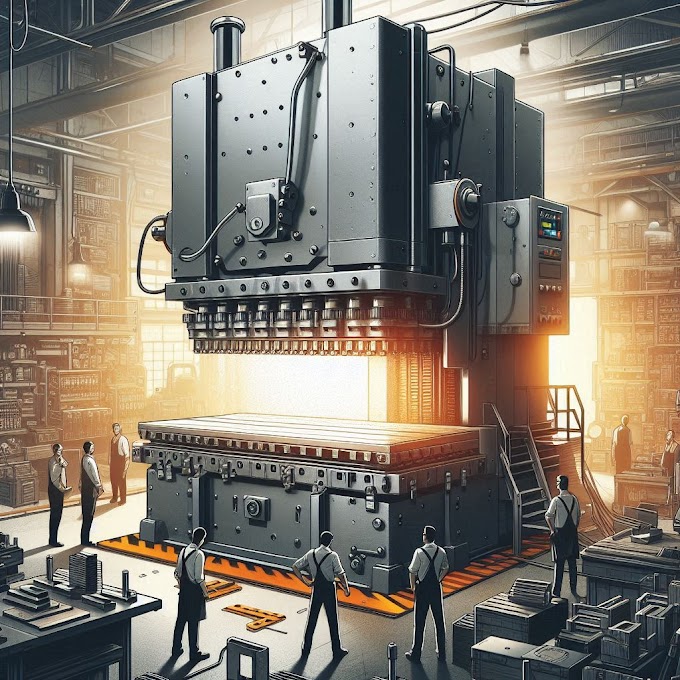
Closed dies are used to shape the heated material under high pressure. The metal flows within the die cavity to achieve precise geometry and uniform grain structure.
Trimming and Heat Treatment
Excess flash is removed, followed by heat treatment processes such as normalizing, quenching, or tempering to enhance mechanical properties.
Inspection and Quality Control
Dimensional checks, non-destructive testing, and metallurgical analysis are conducted to ensure compliance with required standards.
Types of Precision Forging
Precision forging can be classified based on operating temperature and forming technique:
Hot Precision Forging
Performed at high temperatures, this method is suitable for complex shapes and large components requiring significant deformation.
Cold Precision Forging
Conducted at or near room temperature, cold forging offers superior surface finish and dimensional accuracy for smaller components.
Warm Forging
Warm forging operates between hot and cold forging temperatures, balancing formability and accuracy.
Near Net Shape Forging
This approach produces components very close to final dimensions, reducing machining costs and improving material utilization.
Materials Used in Precision Forging
A wide range of metals and alloys are used in precision forging, depending on application requirements:
- Carbon steel for general engineering components
- Alloy steel for high-strength and fatigue-resistant parts
- Stainless steel for corrosion-resistant applications
- Aluminum alloys for lightweight components
- Titanium alloys for aerospace and high-performance sectors
Material selection is based on load conditions, operating environment, and industry standards.
Key Benefits of Precision Forging
Precision forging offers multiple advantages over conventional manufacturing methods:
- High dimensional accuracy and repeatability
- Reduced machining and finishing requirements
- Improved mechanical strength due to refined grain flow
- Better surface quality
- Lower material waste and overall production cost
- Enhanced product reliability and service life
These benefits make precision forging a cost-effective solution for large-volume and high-performance applications.
Applications of Precision Forged Components
Precision forged components are widely used across multiple industries:
Automotive Industry
Gears, shafts, crankshafts, connecting rods, and steering components benefit from high strength and durability.
Aerospace Sector
Structural and engine components require precision, fatigue resistance, and consistent quality.
Oil and Gas Industry
Valves, flanges, and pressure-bearing parts demand reliability under extreme conditions.
Power Generation
Turbine components and high-load mechanical parts rely on precision forging for long-term performance.
Heavy Engineering
Industrial machinery components require strength, dimensional accuracy, and resistance to wear.
Precision Forging vs Conventional Forging
Precision forging differs significantly from conventional forging in several aspects. It offers tighter tolerances, better surface finish, and lower machining requirements. While conventional forging may be suitable for simpler or low-precision components, precision forging is preferred for complex shapes and high-volume production where consistency and performance are critical.
Why India Is a Hub for Precision Forging Manufacturing
India has become a global hub for precision forging due to its advanced manufacturing infrastructure, skilled workforce, and competitive production costs. Indian precision forging manufacturers invest heavily in automation, CNC machining, and quality control systems to meet international standards. Proximity to raw material sources and strong export capabilities further strengthen India’s position in the global forging market.
Quality Standards in Precision Forging
Precision forged components must comply with stringent quality and safety standards, including:
- ISO 9001 for quality management systems
- IATF 16949 for automotive components
- ASTM, DIN, and EN material standards
- Dimensional inspection and non-destructive testing
Compliance with these standards ensures product reliability, traceability, and global acceptance.
Conclusion
Precision forging plays a vital role in modern manufacturing by delivering high-strength, dimensionally accurate, and cost-efficient components. With reduced material waste, improved mechanical properties, and wide industry applications, precision forging continues to gain importance across global markets. As industries demand higher performance and tighter tolerances, precision forging remains a preferred manufacturing solution for critical engineering components.



0 Comments