


Forged steel components exhibit a unique combination of physical and chemical properties that make them ideal for high-performance industrial applications. Physically, forged steel offers superior strength, excellent toughness, and enhanced fatigue resistance due to its refined grain structure and controlled deformation during the forging process. This results in parts that can withstand heavy loads, impact forces, and extreme operating conditions. Chemically, forged steel maintains a stable composition with precise levels of carbon, manganese, chromium, nickel, and other alloying elements, ensuring consistent hardness, corrosion resistance, and heat tolerance. Together, these physical and chemical characteristics provide forged steel parts with long service life, reliability, and exceptional performance across diverse industries.
What is meant by forged steel? How are forged steel components manufactured explain the manufacturing process of forged steel components?
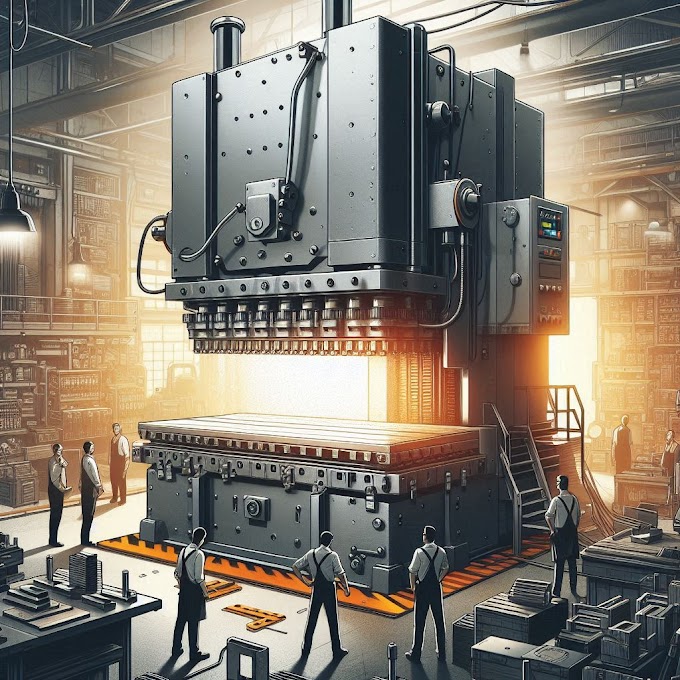
Forged steel refers to steel that has been shaped under compressive forces, typically using hammers, presses, or specialized forging machinery, to improve its strength, durability, and structural integrity. Unlike casting, where molten metal is poured into molds, forging involves deforming solid steel at high temperatures to refine its grain structure and eliminate internal defects. The manufacturing process of forged steel components begins with selecting the appropriate steel grade, followed by heating the billet or ingot to the required forging temperature. Once heated, the steel is shaped through open-die, closed-die, or ring-rolling methods, depending on the component design. After achieving the desired form, the part undergoes trimming, heat treatment, machining, and surface finishing to meet dimensional and mechanical specifications. This controlled sequence of heating, deformation, and treatment results in components with exceptional strength, uniformity, and reliability for demanding industrial applications.
Where is forged steel components used? What are advantages of using forged steel?
Forged steel components are used across a wide range of industries where strength, reliability, and performance are critical, including automotive, aerospace, oil and gas, construction machinery, railways, agriculture, and heavy engineering. They are commonly found in parts such as crankshafts, gears, flanges, valves, shafts, rings, and structural components that must endure high stress and extreme conditions. The advantages of using forged steel include superior mechanical strength, refined grain structure, high impact resistance, and excellent fatigue performance, all resulting from the controlled deformation process used during forging. Additionally, forged steel offers better consistency, fewer internal defects, and improved durability compared to cast or machined components, making it a preferred choice for heavy-duty and safety-critical applications.
Factors that affect the quality of the forged steel
The quality of forged steel is influenced by several critical factors that determine its strength, durability, and overall performance. Key aspects include the selection of the right steel grade, as the chemical composition directly affects hardness, toughness, and corrosion resistance. Proper control of forging temperature is equally important—overheating can cause grain growth, while insufficient heating leads to poor deformability. The forging method and the amount of deformation applied also play a major role in refining grain structure and eliminating internal defects. Additionally, precise die design, lubrication, and press or hammer settings impact the final shape and dimensional accuracy. Post-forging processes such as heat treatment, cooling rate, machining, and surface finishing further influence the component’s mechanical properties and consistency. Together, these factors determine whether the forged steel achieves the required quality standards for demanding industrial applications.
What are good manufacturing practices for forged steel companies
Good manufacturing practices for steel forging companies focus on maintaining strict process control, ensuring product consistency, and meeting international quality standards. This begins with sourcing certified raw materials, verifying chemical composition, and using advanced forging equipment calibrated for precise temperature and pressure control. Maintaining optimal forging temperatures, applying controlled deformation, and using well-designed dies help achieve refined grain structure and defect-free components. Robust quality checks—including visual inspection, dimensional measurement, non-destructive testing, and mechanical testing—ensure each part meets required specifications. Companies must also follow standardized heat treatment procedures, maintain clean and organized workspaces, and document every production stage for full traceability. Continuous employee training, regular machinery maintenance, and adherence to certifications such as ISO and IATF contribute to consistent quality, safety, and efficiency across the forging process.
Conclusion
In conclusion, forged steel components stand out as some of the most dependable, durable, and high-performance materials used across modern industries. Their superior physical and chemical properties, combined with a controlled and highly engineered manufacturing process, ensure exceptional strength, toughness, and reliability even in the most demanding applications. From automotive and aerospace to oil and gas and heavy engineering, forged steel remains the preferred choice due to its consistent performance, refined grain structure, and long service life. Maintaining high-quality standards depends on selecting the right materials, precise temperature control, proper forging techniques, and rigorous post-processing procedures. When these best practices are followed, forged steel components deliver unmatched value, safety, and durability, reinforcing their importance in critical industrial operations worldwide.



0 Comments