


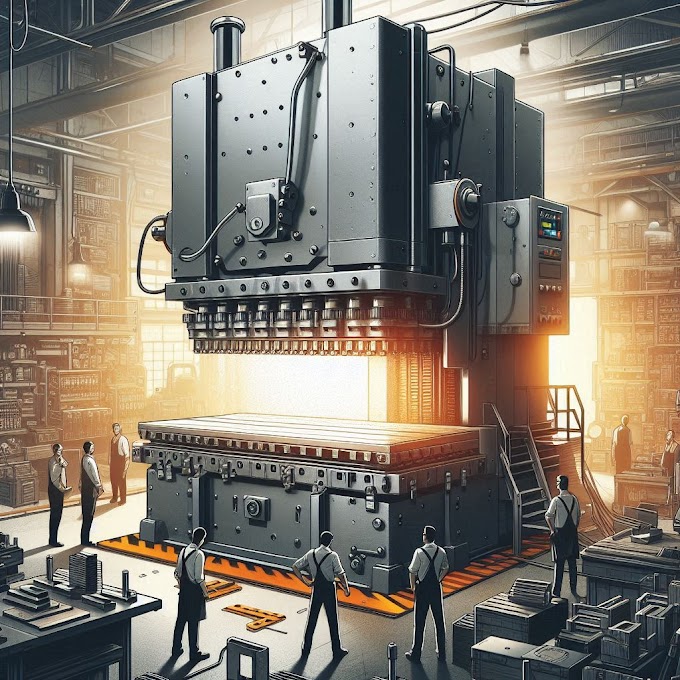
Press brake machines are vital tools in modern metal fabrication, used to bend, fold, and shape sheet metal with extreme accuracy. Over the years, press brake manufacturers have evolved from producing simple mechanical systems to designing advanced CNC and hydraulic models that combine strength, speed, and precision. These machines are indispensable across industries such as automotive, construction, aerospace, defense, and appliance manufacturing, where high-quality metal components are essential. With growing demand for automation and accuracy, global and Indian manufacturers alike are investing in innovation to make press brakes more efficient, reliable, and user-friendly.
Understanding the Role of Press Brake Machines
A press brake is a machine designed to bend sheet metal into various shapes by pressing it between a punch and a die. The bending angle and depth depend on the punch stroke, material thickness, and tooling setup. Press brakes are classified based on their drive mechanisms — mechanical, hydraulic, servo-electric, or CNC-controlled — and their frame structure, such as C-frame or H-frame designs. The choice of press brake depends on the application, production scale, and required precision.
Key Components of a Press Brake Machine
Press brakes are complex systems made up of several essential components that determine performance and precision:
- Frame: Provides rigidity and structural stability during high-pressure bending operations.
- Ram (or slide): Moves vertically to apply bending force on the workpiece.
- Hydraulic or Servo Drive System: Controls the ram motion for smooth and accurate bending.
- Back Gauge: Positions the metal sheet precisely for repeatable bends.
- Control System (CNC/PLC): Allows operators to program bend sequences and angles for automation.
- Tooling (Punch and Die): Defines the bend shape and radius.
- Crowning System: Compensates for deflection to maintain uniform bending along the length.
These components work together to deliver consistent, high-quality bends even under continuous production.
Types of Press Brake Machines
Press brake manufacturers offer various models tailored to specific fabrication requirements:
- Mechanical Press Brakes: Operate with flywheels and cranks; suitable for high-speed, low-tonnage operations.
- Hydraulic Press Brakes: Use hydraulic cylinders for greater control and force, ideal for thick materials.
- CNC Press Brakes: Equipped with computerized controls for automated, high-precision bending.
- Servo-Electric Press Brakes: Energy-efficient systems using servo motors for precise and eco-friendly operation.
Each type has unique benefits depending on the complexity of production and desired output accuracy.
Technological Innovations by Modern Manufacturers
Modern press brake manufacturers are adopting cutting-edge technologies to improve machine performance and operator experience. CNC controls with 3D simulation allow operators to visualize bending sequences before execution. Automatic tool changers reduce setup time, while laser angle measurement systems ensure real-time accuracy. Many machines now feature energy-efficient hydraulic systems, touchscreen HMIs, and remote diagnostic capabilities. Integration with Industry 4.0 and IoT platforms enables predictive maintenance, production monitoring, and data-driven optimization — marking a new era in smart fabrication technology.
Applications Across Industries
Press brakes are used in a wide range of industrial sectors, including:
- Automotive Manufacturing: For chassis, panels, and body parts.
- Construction: For creating beams, frames, and structural components.
- Aerospace and Defense: For high-precision components made from aluminum or titanium.
- Appliance and Electrical Equipment: For enclosures, cabinets, and mounting structures.
- Heavy Engineering: For bending thick plates used in machinery housings and tanks.
Their versatility makes them an essential part of every fabrication and production workshop.
Advantages of Using Modern Press Brakes
Advanced press brakes offer multiple advantages that enhance overall productivity and quality:
- High Precision and Repeatability: CNC systems ensure consistent results.
- Reduced Setup and Cycle Times: Automated controls and tool changers improve efficiency.
- Improved Safety: Safety light curtains, guards, and interlocks protect operators.
- Energy Efficiency: Modern hydraulic and servo systems reduce power consumption.
- Versatility: Capable of handling various materials, from mild steel to stainless steel and aluminum.
These benefits translate into better throughput, lower operational costs, and superior product quality.
Indian Press Brake Manufacturers — Rising Global Competitors
India has emerged as a major hub for press brake manufacturing, combining engineering expertise with cost-effective production. Indian manufacturers now produce CNC, NC, and hydraulic press brakes that meet international standards such as CE and ISO certifications. Their machines are exported to regions including Asia, Africa, the Middle East, and Europe. The key strengths of Indian press brake manufacturers include:
- Customization options based on material thickness, bending length, and tonnage.
- Competitive pricing without compromising on quality or precision.
- Strong after-sales support with spare parts and operator training.
- Focus on innovation, incorporating digital controls, safety systems, and automation.
These factors have helped India become a trusted name in the global metal fabrication market.
Maintenance and Best Practices
To ensure long-term performance, manufacturers recommend regular maintenance routines:
- Check hydraulic oil levels and replace filters periodically.
- Calibrate CNC controls and back gauges for precision.
- Clean and lubricate moving components.
- Inspect electrical systems and safety interlocks.
- Train operators on proper usage and maintenance procedures.
Consistent upkeep minimizes downtime, reduces repair costs, and extends the life of the machine.
Challenges Faced by Manufacturers
Despite significant progress, press brake manufacturers face challenges such as fluctuating raw material prices, dependence on imported CNC components, and a shortage of skilled labor. Increasing competition from global brands and the need for continuous R&D investment also affect margins. However, initiatives such as Make in India, technology upgradation schemes, and export incentives are helping domestic players strengthen their global position.
Conclusion
Press brake manufacturers are at the forefront of modern metal fabrication, combining mechanical strength with digital precision. With continued advancements in CNC technology, automation, and energy efficiency, the future of press brake manufacturing looks promising. Indian and global manufacturers alike are focusing on building smarter, safer, and more sustainable machines that deliver exceptional accuracy and productivity. As industries evolve toward intelligent manufacturing, the press brake will remain a cornerstone of precision metalworking.



0 Comments